
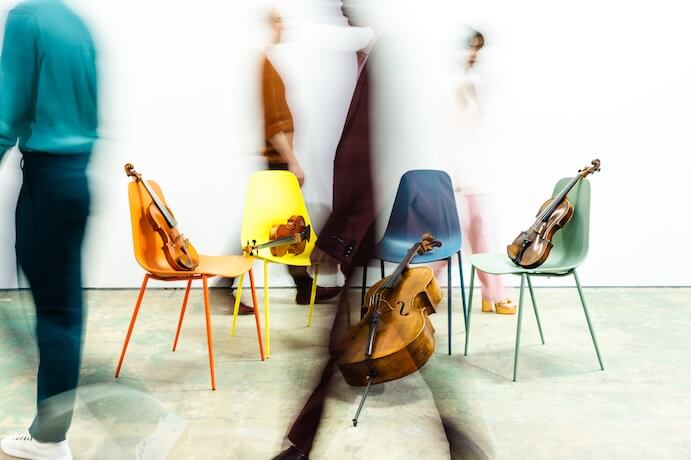
Music has always been about more than sound. Long before a listener presses play, visual cues shape expectations, emotions, and identity. Album covers, promotional portraits, and behind the scenes images all influence how audiences experience an artist’s work. At the center of this creative connection sits music artist photography, a discipline that transforms sound into imagery and allows music to live visually as well as sonically.
This unique form of photography does not simply document musicians. It interprets rhythm, emotion, and cultural context through light, composition, and expression. As a result, it has become an essential bridge between music and visual art, shaping how artists are remembered and how fans connect with the music they love.
The Visual Language of Music
Every genre has its own visual vocabulary. A jazz portrait may feel intimate and timeless, while an electronic artist image might lean toward bold colors and futuristic styling. Music artist photography translates these musical qualities into visual language.
Photographers working in this space listen deeply to the music they are capturing. Tempo, mood, and lyrical themes often guide creative decisions such as setting, wardrobe, and lighting. A slow soulful sound may inspire soft shadows and natural textures, while aggressive energy may call for stark contrasts and dramatic angles.
This process turns photography into interpretation rather than simple representation. The camera becomes a tool for storytelling, helping audiences see what they are about to hear.
Capturing Identity Beyond the Stage
Musicians are performers, but they are also individuals with layered identities. One of the most powerful roles of music artist photography is revealing the person behind the performance.
Portrait sessions often explore vulnerability, confidence, rebellion, or introspection. These images give fans access to an emotional truth that might not always come through in live shows or recordings. Over time, these photographs become part of the artist’s legacy, shaping public perception long after a specific song or album cycle has passed.
This is why iconic images remain so influential. A single photograph can define an era, communicate an attitude, or symbolize a cultural shift. In many cases, people recognize the image even before recalling the music itself.
Music Photography as Fine Art
Over the years, music artist photography has evolved into a respected form of visual art. Many photographs created for musicians now live beyond promotional use and enter galleries, exhibitions, and private collections.
The artistic value lies in timing, composition, and emotional resonance. Capturing a fleeting expression on stage or a quiet moment backstage requires instinct and sensitivity. These images are not staged advertisements but authentic visual records of creativity in motion.
As collectors increasingly seek culturally significant artwork, interest in owning these pieces has grown. Many fans and art enthusiasts actively look to buy music photography as a way to preserve musical history and celebrate the intersection of sound and image.
The Role of Photography in Artist Branding
In a digital first world, visuals often serve as the introduction to an artist. Before listening to a track, audiences encounter profile images, press photos, and social media visuals. Music artist photography plays a critical role in shaping this first impression.
Consistent imagery helps build a recognizable identity. Color palettes, poses, and settings can reinforce an artist’s message and values. Over time, this visual consistency strengthens brand recognition and emotional connection.
Photographers collaborate closely with artists to ensure authenticity. The most effective images feel natural rather than manufactured, allowing audiences to sense honesty and intention. This authenticity is key to building trust and long term engagement.
Live Performance Through a Visual Lens
Concert photography is another powerful extension of music artist photography. Live images capture the raw energy of performance, translating sound into motion and emotion frozen in time.
These photographs often show sweat, movement, and interaction with the crowd. They communicate the physical experience of music in a way that recordings cannot. A viewer can almost hear the music by looking at the image.
Live performance images also play a historical role. They document tours, festivals, and moments that may never happen again. Decades later, these photographs become visual archives of musical culture and community.
Cultural Impact and Storytelling
Music has always been intertwined with social movements and cultural change. Music artist photography often reflects this broader context, capturing not only performers but also the times they live in.
Fashion, locations, and expressions within these images reveal social attitudes and artistic trends. From underground scenes to global stages, photography documents how music shapes and is shaped by culture.
This storytelling aspect elevates music photography beyond marketing. Each image becomes a historical artifact, preserving moments of creative expression and social influence for future generations.
The Emotional Connection for Fans
For fans, music artist photography deepens emotional connection. Seeing an artist in an intimate or powerful moment can make the music feel more personal and accessible.
Many fans choose to display these images in their homes or personal spaces. The decision to buy music photography is often driven by emotion rather than decoration alone. It is about owning a piece of a story that resonates deeply.
These photographs serve as reminders of concerts attended, songs that defined certain life moments, or artists who inspired change. The visual becomes a lasting companion to the music itself.
The Creative Collaboration Behind the Camera
Behind every impactful image is a collaborative relationship between photographer and artist. Trust and communication are essential. The photographer must understand the artist’s vision while bringing their own creative perspective.
This collaboration often results in images that feel timeless rather than trend driven. When both parties align creatively, the photographs transcend promotional needs and become genuine works of art.
Music artist photography thrives on this balance between guidance and spontaneity. Some of the most memorable images emerge from unplanned moments where authenticity takes center stage.
Digital Platforms and the Evolution of Music Imagery
The rise of digital platforms has expanded the reach of music artist photography. Images now travel instantly across the world, shaping perception in real time.
Social media has created demand for frequent visual content, but it has also allowed artists to share more personal and experimental imagery. This shift has broadened the creative scope of music photography, encouraging diversity in style and approach.
At the same time, the lasting value of powerful images remains unchanged. Even in a fast paced digital environment, photographs that capture genuine emotion continue to stand out and endure.
Why Music and Visual Art Will Always Be Linked
Music and visual art share a common goal: to evoke feeling and meaning. Music artist photography sits at the crossroads of these disciplines, translating sound into sight and creating a fuller sensory experience.
As long as music exists, there will be a desire to see it. Whether through album imagery, live performance photos, or collectible prints, photography will continue to shape how music is experienced, remembered, and celebrated.
By bridging sound and image, music artist photography ensures that music does not just live in the ears, but also in the eyes, the memory, and the imagination.